Welcome to Egyptian Culture
Egypt blends 5,000 years of history with vibrant modern culture. Known for exceptional hospitality, strong family values, and colorful festivals, Egyptian culture welcomes visitors with warmth and generosity.
Legendary Hospitality
Egyptians are renowned for their warm, generous hospitality. Guests are treated like family, often offered tea, meals, and sincere friendship. The phrase "Welcome to Egypt" is spoken with genuine warmth throughout the country.
Family & Community
Family is the cornerstone of Egyptian society. Strong bonds, respect for elders, and close-knit communities define daily life. Multi-generational households are common, and family gatherings are cherished occasions.
Religious Heritage
Egypt is predominantly Muslim (90%) with a significant Coptic Christian minority. Religious values shape daily life, from the five daily prayers to festivals like Ramadan and Coptic Christmas. Respect for all faiths is deeply ingrained.
Egyptian Cuisine
Egyptian food is a delicious blend of Mediterranean, Middle Eastern, and African flavors. Street food culture thrives with vendors serving traditional dishes from dawn to dusk. Meals are often shared communally, reflecting the culture of togetherness.
Must-Try Dishes:
- Ful Medames - Slow-cooked fava bean stew (breakfast staple)
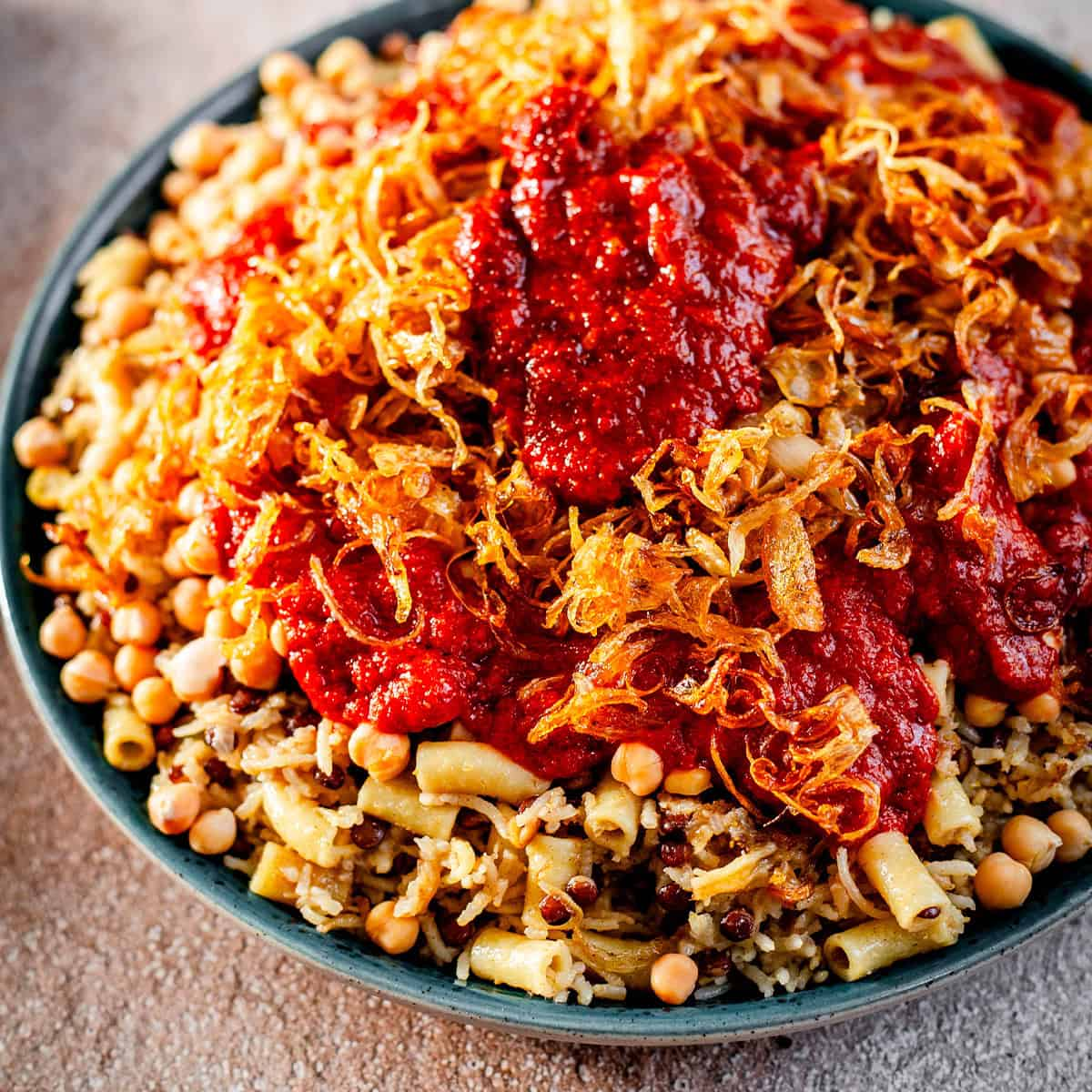
- Koshari - Rice, pasta, lentils with tomato sauce
- Falafel (Ta'ameya) - Egyptian-style fried patties
- Molokhia - Traditional green soup
- Mahshi - Stuffed vegetables
- Fresh Pita Bread - Baked daily everywhere
Festivals & Celebrations
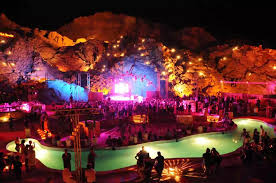
Egypt celebrates a vibrant calendar of religious and cultural festivals throughout the year. These celebrations showcase the country's rich traditions and bring communities together in joyful unity.
Major Festivals:
- Ramadan - Month of fasting with nightly Iftar feasts
- Eid al-Fitr - Celebration marking the end of Ramadan
- Eid al-Adha - Festival of Sacrifice
- Coptic Christmas - January 7th celebrations
- Sham el-Nessim - Ancient spring festival with picnics
- Mawlid al-Nabi - Prophet Muhammad's birthday
Wedding Traditions
Egyptian weddings are grand, multi-day celebrations filled with music, dance, and time-honored customs. These joyous occasions bring together extended families and entire communities.
Traditional Customs:
- Henna Night (Laylat al-Henna) - Pre-wedding ritual with intricate designs
- Zaffa - Grand procession with drums and dancers
- Gold Jewelry Gifts - Symbolizing wealth and prosperity
- Traditional Music - Oud melodies and tabla rhythms
- Belly Dancing and Tanoura Performances
- Multi-day Celebrations
Core Cultural Values
Respect & Courtesy
Politeness and showing respect, especially to elders, is fundamental in Egyptian culture.
Social Gathering
Tea houses and cafés are social hubs where people gather to chat, play backgammon, and enjoy life.
Storytelling
The tradition of oral storytelling (Hakawati) passes down myths, legends, and wisdom through generations.
Arts & Crafts
Traditional crafts include pottery, jewelry-making, calligraphy, papyrus painting, and intricate embroidery.
Music & Dance
From traditional folk music to belly dancing and Tanoura performances, artistic expression is celebrated.
Generosity
Sharing with others, especially during meals and festivals, is a deeply valued practice.
Regional Diversity
Egypt's regions each have distinct traditions, accents, and customs that enrich the national culture.
Cairo
Urban center blending ancient tradition with modern cosmopolitan life.
Alexandria
Mediterranean culture with Greek and Ottoman influences.
Upper Egypt
Strong Coptic heritage and traditional rural lifestyles.
Nubian Villages
Unique traditions, colorful architecture, and distinct heritage.
Siwa Oasis
Berber community with the Siwi language and ancient customs.
Coastal Cities
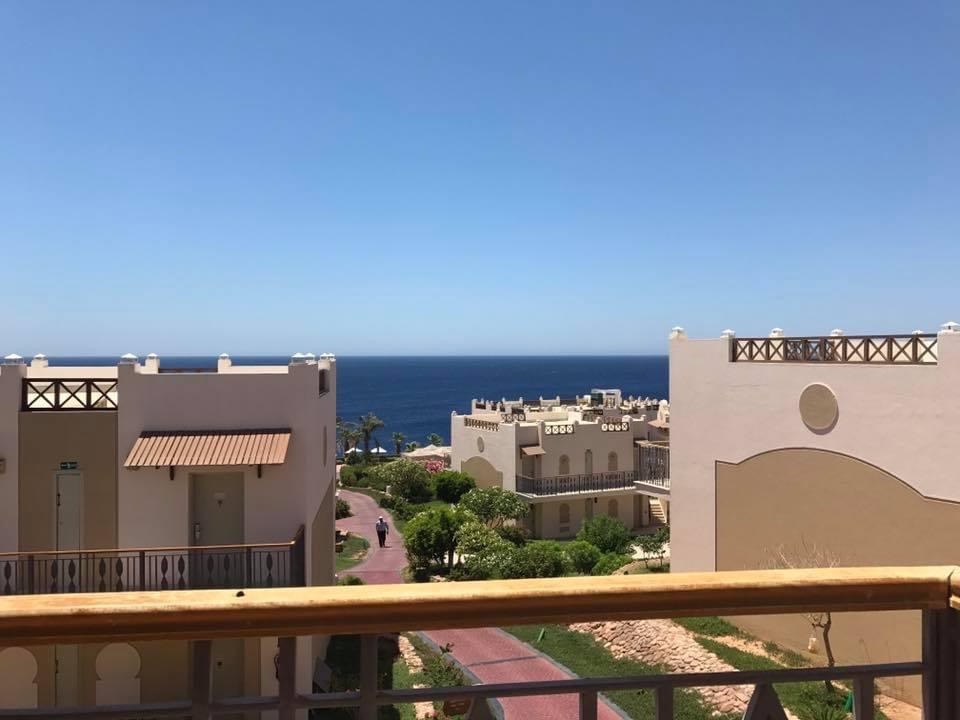
Mediterranean and Red Sea influences shape local culture.